



Common Mistakes When Buying Steel | Rebar Buying Guide

Common Mistakes When Buying Steel and How to Avoid Them
Buying steel is an important decision that can directly affect the cost and quality of any construction project. Choosing the right steel is not only about finding the lowest price. Buyers should also consider quality, specifications, sizes, quantities, supplier reliability and delivery costs.
In this guide, we explain the common mistakes when buying steel and how to avoid them when purchasing reinforcing steel and commercial steel for construction projects.
1. Choosing Steel Based Only on Price
One of the most common mistakes is focusing only on the lowest price without comparing quality, specifications and delivery services.
The best approach is to compare price, quality, specifications, transportation costs and delivery time before making a purchasing decision.
2. Not Checking Steel Specifications
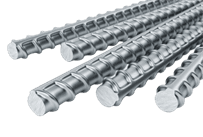
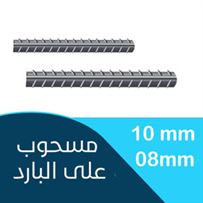
Before purchasing rebar, make sure the diameter, size, grade and required specifications match the project's structural requirements.
Choosing the wrong steel size or specification may cause problems during construction.
3. Buying From an Unreliable Supplier
Choosing an unreliable steel supplier may result in incorrect quantities, different specifications or delivery delays.
It is better to work with an experienced supplier that provides steel for contractors, construction projects and individual customers.
4. Not Verifying the Required Quantity
Ordering steel without reviewing quantity calculations and structural drawings is another common mistake.
Before placing an order, verify the required diameters, number of bars, lengths and total quantities.
5. Ignoring Steel Weight
Steel requirements may be calculated by the number of bars or lengths, while steel is commonly supplied and sold by weight. Therefore, the delivered weight should be checked against the purchase order and invoice.
6. Not Inspecting Steel Upon Delivery
When steel arrives at the project site, check the sizes, quantities, general condition and manufacturer markings. Required certificates and documentation should also be checked when applicable.
7. Poor Storage Planning
Ordering large quantities of steel without preparing a suitable storage area can make handling more difficult and increase waste.
Proper storage planning helps organize steel according to size and makes it easier to access the required materials.
8. Not Comparing Supplier Quotations
Relying on only one quotation may not provide the best overall deal. Compare suppliers based on price, quality, quantity, transportation, delivery time and payment terms.
9. Ignoring Transportation Costs
A competitive steel price can become more expensive after adding transportation and delivery costs.
Always compare the total delivered cost when evaluating steel suppliers.
10. Buying Steel Without Defining Project Requirements
Unplanned purchasing can result in shortages of certain sizes or excessive quantities of materials that are not currently required.
Prepare a clear material estimate and coordinate with the project engineer or purchasing team before placing the order.
How to Avoid Mistakes When Buying Steel
- Identify the required steel type and specifications.
- Review structural drawings and quantity estimates.
- Confirm rebar diameters and sizes.
- Choose a reliable steel supplier.
- Compare different supplier quotations.
- Calculate transportation and delivery costs.
- Verify quantity and weight upon delivery.
- Inspect the steel before using it on the project.
- Keep invoices and purchasing documents.
Conclusion
Avoiding mistakes when buying steel starts with choosing the right product and a reliable supplier rather than simply looking for the lowest price.
Checking specifications, quantities, quality and transportation costs can help reduce waste and control construction project costs.
If you are looking for steel suppliers in Riyadh or need reinforcing steel and commercial steel for your project, choosing the right supplier can help ensure that the required quantities and sizes are delivered on time.
.png)
- السجل التجاري : 1010298801
- الرقم الضريبي : 300438467100003