



How to Store Steel Properly | A Practical Guide to Protecting Steel
How to Store Steel Properly | A Practical Guide to Protecting Steel
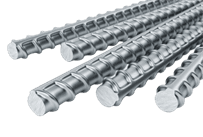
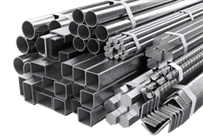
Proper steel storage is essential for maintaining its quality, reducing the risk of corrosion, and keeping steel ready for use in construction projects. This is particularly important when storing reinforcing steel bars and commercial steel for extended periods.
Why Is Proper Steel Storage Important?
Steel can be exposed to moisture, rain, dust, soil, and chemicals during storage. These conditions may cause surface rust or corrosion over time.
Proper storage helps to:
Reduce exposure to moisture and water.
Minimize rust and corrosion.
Maintain steel quality for longer periods.
Make handling and transportation easier.
Organize steel according to type and size.
Reduce damage and material waste.
Best Practices for Storing Reinforcing Steel
1. Choose a Suitable Storage Area
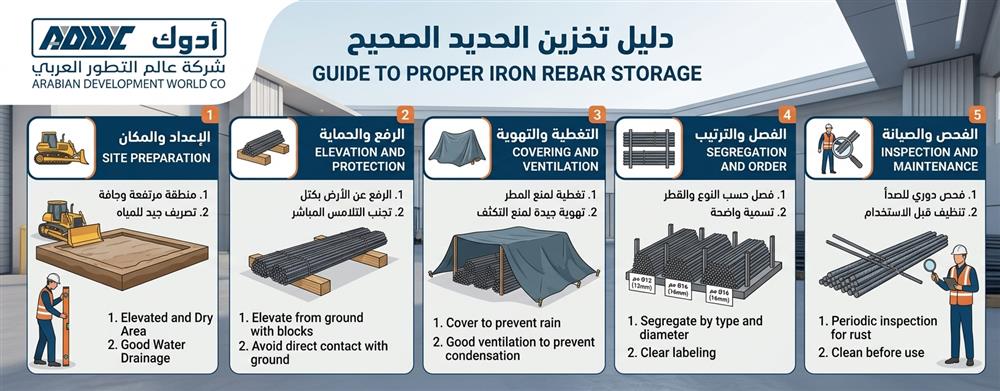
Steel should preferably be stored in a clean, dry, and well-ventilated area. Avoid locations where water accumulates or where the steel is continuously exposed to high moisture levels.
The storage area should also be kept away from chemicals and other substances that could affect the steel.
2. Never Place Steel Directly on the Ground
One of the most important steel storage practices is to avoid placing reinforcing bars directly on soil or wet floors.
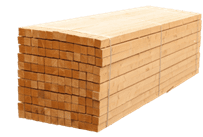
Use wooden or steel supports to raise the steel above ground level. This improves air circulation and reduces direct contact with moisture.
3. Keep Steel Elevated
Steel should be placed on strong and stable supports capable of carrying its weight.
The supports should be properly distributed to reduce the risk of bending or deformation, especially when storing long steel bars.
4. Protect Steel from Rain and Moisture
When steel is stored outdoors, suitable covers can be used to protect it from rain.
However, adequate ventilation should be maintained around the steel. Completely sealing wet steel for long periods may trap moisture and increase the risk of corrosion.
5. Organize Steel by Size and Type
Steel should be organized according to diameter, size, and type.
Keeping different sizes in separate and clearly identified areas makes inventory management easier and helps workers quickly locate the required material.
6. Keep Steel Away from Contaminants
Steel should be kept away from oils, paints, chemicals, salts, and other materials that may affect its surface.
The storage area should also be kept clean and free from construction waste.
Does Surface Rust Mean That Steel Is Unusable?
A light layer of surface rust does not necessarily mean that steel is unusable. However, steel should be inspected before use, particularly when there is heavy corrosion, visible deterioration, or a noticeable reduction in the steel section.
For construction projects, the applicable technical specifications, building codes, and instructions of the supervising engineer should always be followed before using significantly corroded steel.
Important Tips for Long-Term Steel Storage
Keep steel elevated above the ground.
Use strong and stable supports.
Maintain good ventilation.
Protect steel from rain and moisture.
Organize steel by type and size.
Inspect stored steel regularly.
Avoid direct contact with soil.
Keep steel away from chemicals and oils.
Use older stock first when appropriate.
Keep the storage area clean and organized.
Storing Steel at Construction Sites
Construction sites may not always have fully enclosed storage facilities. Therefore, special attention should be given to raising steel above ground level, organizing it properly, and protecting it from rain when necessary.
Large quantities of steel should also be inspected regularly, especially during rainy seasons or in areas with high humidity.
Conclusion
Proper steel storage helps maintain steel quality and reduces the risk of rust, corrosion, and damage. Good storage starts with selecting a suitable location, keeping steel elevated above the ground, protecting it from moisture, and organizing it according to size and type.
Following these practices can reduce material waste and help preserve reinforcing steel and commercial steel until they are ready to be used in construction projects.
.png)
- السجل التجاري : 1010298801
- الرقم الضريبي : 300438467100003