


Rebar Quality Inspection and Compliance Checks
Rebar Quality Inspection and Compliance Checks
Rebar quality inspection is an important step before reinforcement steel is used in reinforced concrete construction. Inspection helps verify that the supplied product meets the required specifications, sizes, and quantities.
Rebar quality should not be evaluated based on appearance alone. Product information, manufacturer identification, specifications, documentation, and laboratory testing may also be required.
Why Is Rebar Quality Inspection Important?
Reinforcement steel contributes to the structural performance of reinforced concrete elements. Therefore, verifying its quality and compliance is an important part of construction quality control.
- Verify the required rebar diameter.
- Check manufacturer and product information.
- Identify visible defects.
- Review delivered quantities and sizes.
- Verify required documentation.
- Perform technical tests when required.
Methods of Rebar Quality Inspection
1. Visual Inspection
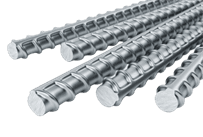
Visual inspection is usually the first step. The steel should be checked for obvious defects, excessive corrosion, damage, cracks, or other conditions that may affect its use.
2. Checking Rebar Diameter
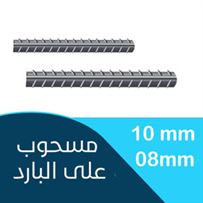
The rebar diameter should match the size specified in the structural drawings or purchase order. Appropriate measuring equipment should be used according to applicable procedures.
3. Checking Manufacturer Identification
Identification marks on the rebar can help verify the manufacturer and product information. These markings should be compared with the relevant product documentation when the steel is received.
4. Checking Certificates and Documentation
Where required, product certificates and technical documentation can be requested from the supplier or manufacturer to verify the required specifications and properties.
5. Checking Rebar Weight
The delivered quantity can be reviewed by comparing the supplied weight with the purchase order, invoice, or quantity schedule.
Theoretical weight and actual delivered weight should be distinguished, as theoretical weight is mainly used for calculations and reference, while actual weight depends on the product and applicable tolerances.
6. Tensile Testing
Tensile testing is an important laboratory test used to evaluate mechanical properties such as tensile strength and elongation according to the applicable specification.
7. Bend and Rebend Testing
Bend and rebend tests may be performed according to the applicable specification to evaluate certain properties of reinforcement steel during bending operations.
Does Rust Affect Rebar Quality?
Not all rust means that rebar is unsuitable. A light surface layer of rust may occur during storage or transportation. The condition should be evaluated based on the severity of corrosion and whether the bar section has been significantly affected.
Severe corrosion or significant loss of cross-section should be technically evaluated before use.
How to Inspect Rebar Upon Delivery
- Verify the required sizes and quantities.
- Check manufacturer identification marks.
- Inspect the external condition of the bars.
- Check for damage or severe corrosion.
- Review accompanying documentation.
- Compare the delivery with the purchase order and invoice.
- Perform required tests if specified by the project.
Common Rebar Inspection Mistakes
- Relying only on visual appearance.
- Failing to verify the manufacturer.
- Not checking the rebar diameter.
- Not matching quantities with the purchase order.
- Ignoring required documentation.
- Using damaged steel without technical evaluation.
- Changing rebar sizes without structural engineer approval.
Rebar Quality Inspection for Houses and Villas
Even in small residential projects, reinforcement steel should be checked against the structural drawings and required specifications.
It is recommended to keep delivery records, invoices, and relevant product documentation, especially when large quantities are supplied.
Can Rebar Quality Be Checked On Site?
Some preliminary checks can be performed on site, including visual inspection, diameter verification, manufacturer identification, and quantity checks.
However, certain mechanical and chemical properties cannot be reliably verified through visual inspection alone and may require laboratory testing.
How to Choose High-Quality Rebar
- Verify the manufacturer and product source.
- Check compliance with required specifications.
- Request relevant documentation.
- Verify sizes and quantities.
- Inspect the product upon delivery.
- Purchase from a reliable supplier.
Request a Rebar Quotation via WhatsApp
If you need rebar for your project, send us the required sizes, quantities, and project location via WhatsApp to request an updated quotation.
Click here to request a rebar quotation via WhatsApp
Frequently Asked Questions
How can I check rebar quality?
Quality can be evaluated through manufacturer information, specifications, identification marks, documentation, visual inspection, and laboratory testing when required.
Can rebar quality be determined by looking at it?
No. Visual inspection is useful but cannot verify all mechanical and chemical properties.
Does rust mean that rebar is unusable?
Not necessarily. The severity of corrosion and its effect on the bar cross-section should be technically evaluated.
What are common rebar tests?
Depending on the applicable specification, tests may include tensile, bend, and rebend testing.
When is laboratory testing required?
Laboratory testing may be required by project specifications or when technical compliance needs to be verified beyond what can be determined through visual inspection.
Conclusion
Rebar quality inspection is an important part of construction material quality control. It includes checking the manufacturer, diameter, identification marks, physical condition, documentation, and laboratory tests when required.
Always use reinforcement steel that meets the project's specifications and purchase it from a reliable supplier.
Arab Development World Company supplies rebar and commercial steel for contractors and project owners, with quotation requests available according to sizes, quantities, and project location.
.png)
- السجل التجاري : 1010298801
- الرقم الضريبي : 300438467100003